
Quick answer: Yes, Ranger boats are good. Ranger is a premium bass and fishing boat brand founded in 1968. It has won repeat NMMA customer satisfaction awards, and original owners of its fiberglass boats get hull coverage for as long as they own the boat. The trade-off is price. Ranger costs more than value brands, new or used.
Are Ranger Boats Good? The Short Answer
Ranger is one of the most established premium bass and fishing boat brands in the US. It was founded in 1968, has won NMMA Customer Satisfaction Index (CSI) awards in several years and categories, and gives original fiberglass owners structural hull coverage for as long as they own the boat. It suits serious bass and multi-species anglers who want strong build quality and good resale value. Buyers on a tight budget, or casual users who only need a basic aluminum boat, will likely get better value elsewhere.
Who Makes Ranger Boats and How Long Have They Been Around?
Forrest L. Wood and his wife Nina founded Ranger Boats in Flippin, Arkansas, in 1968. They built six boats that first year. By 1970, Ranger had sold 1,200 boats. In 1971, a fire destroyed the factory, and the company rebuilt.
Forrest Wood is widely credited with developing the modern bass boat. He sold Ranger Boats in 1987.
Who Owns Ranger Boats Now?
Ranger has been part of Bass Pro Group since December 2014. That month, Bass Pro Group LLC bought Fishing Holdings LLC, the Flippin company that makes Ranger Boats, from Platinum Equity.
Where Are Ranger Boats Made?
Ranger is still based in Flippin, Arkansas, where it was founded. The company kept its Flippin headquarters after the 2014 sale.
Why the History Matters to Buyers
A brand that has been building boats since 1968 has a long track record you can research, and plenty of used boats to compare. Being part of a large group like Bass Pro also makes it more likely that dealers, parts and warranty support will still be around years after you buy. Still, confirm that a Ranger dealer is near you before you buy, because warranty claims go through a local dealer.
What Types of Boats Does Ranger Build?
Ranger builds five main types of boats: fiberglass bass boats, fiberglass multi-species boats, bay boats, all-welded aluminum boats and Reata pontoons. Models, sizes and prices change each year, so check Ranger’s current model pages for exact specs.
| Boat type | Hull material | Best for |
|---|---|---|
| Bass boats | Fiberglass | Tournament and serious bass anglers who want speed and a stable casting platform |
| Multi-species boats | Fiberglass | Anglers who fish big or rough water for walleye and other species |
| Bay boats | Fiberglass | Coastal and inshore saltwater fishing |
| Aluminum boats | All-welded aluminum | Anglers who want a lighter, tough boat for rivers, rocky lakes and smaller ramps |
| Reata pontoons | Aluminum pontoon logs | Family cruising and relaxed fishing |
Fiberglass Bass and Multi-Species Boats
Fiberglass bass boats are Ranger’s core product. Multi-species boats use deeper hulls for rougher water. These boats get Ranger’s strongest warranty, with original-owner hull coverage.
All-Welded Aluminum Boats
Ranger’s aluminum boats are welded rather than riveted. They are lighter and usually cost less than the fiberglass models. They suit anglers who launch on rough ramps or fish rocky water.
Are Ranger Aluminum Boats as Good as Their Fiberglass Boats?
They are built for different jobs, so “better” depends on your water. Fiberglass gives a smoother, drier ride in chop and higher top speeds. Aluminum is lighter, easier to tow and more forgiving of rocks and stumps. On satisfaction, Ranger won the 2025 CSI award in the Aluminum Outboard Boats category as well as Fiberglass Bass Boats, so buyers of both rated them highly.
Reata Pontoons and Bay Boats
Reata pontoons are Ranger’s family and cruising line. Bay boats are for saltwater anglers. Both expand Ranger beyond freshwater bass fishing.
How Reliable Are Ranger Boats?
Ranger’s best checkable reliability evidence is its record of NMMA CSI awards. The National Marine Manufacturers Association gives these awards to builders whose new-boat buyers report high satisfaction. Winners must reach an independently measured customer satisfaction score of 90% or higher.
Ranger’s NMMA CSI Awards by Year
| Award year | Categories |
|---|---|
| 2020 (based on 2019 buyers) | Fiberglass Outboard Boats, Fiberglass Bass Boats |
| 2024 | Deck Boats, Fiberglass Bass Boats, Fiberglass Outboard Boats |
| 2025 | Aluminum Outboard Boats, Fiberglass Bass Boats, Pontoon Boats |
What CSI Awards Don’t Tell You
CSI awards measure how satisfied buyers are with their new boat and dealer. They do not measure how often boats break after five or ten years. No public long-term failure-rate data exists for Ranger or any other bass boat brand. Treat the awards as strong evidence of a good buying experience and early ownership, not as proof that nothing will ever fail.
What Are Common Problems With Ranger Bass Boats?
Most problems owners report with Ranger boats are about electrical systems, outboard engines and normal wear, not the hull itself. These are the same weak spots found on most modern fishing boats.
- Electrical wiring and switch panels: Modern bass boats carry electronics, trolling motors, pumps and chargers. Loose connections, corroded terminals and failed switches are common complaints.
- Outboard problems: Many complaints are really about the engine. The outboard is made and warrantied by the engine maker, not Ranger.
- Wear items: Carpet, seats, hinges, latches, livewell and bilge pumps wear out with use and sun exposure, especially on older boats.
Hull Problems vs. Engine and Accessory Problems
Separate the two before you judge any brand. A hull problem means cracks, a soft floor, a weak transom or rotted structure. That is serious and expensive. An accessory or engine problem, like a dead bilge pump or a bad outboard sensor, is usually cheaper to fix and may be covered by a different warranty. When you read owner complaints online, check which kind they describe.
How to Inspect a Used Ranger Boat
- Check the transom. With the boat on the trailer, push and pull the lower unit. Look for movement, cracks around the motor mounts or stress lines in the gelcoat.
- Check the stringers and floor. Walk the whole deck. Soft spots, flex or creaking can point to structural problems.
- Check wiring and the bilge pump. Open hatches. Look for corrosion, melted insulation and messy add-on wiring. Turn on every switch and test the bilge pump.
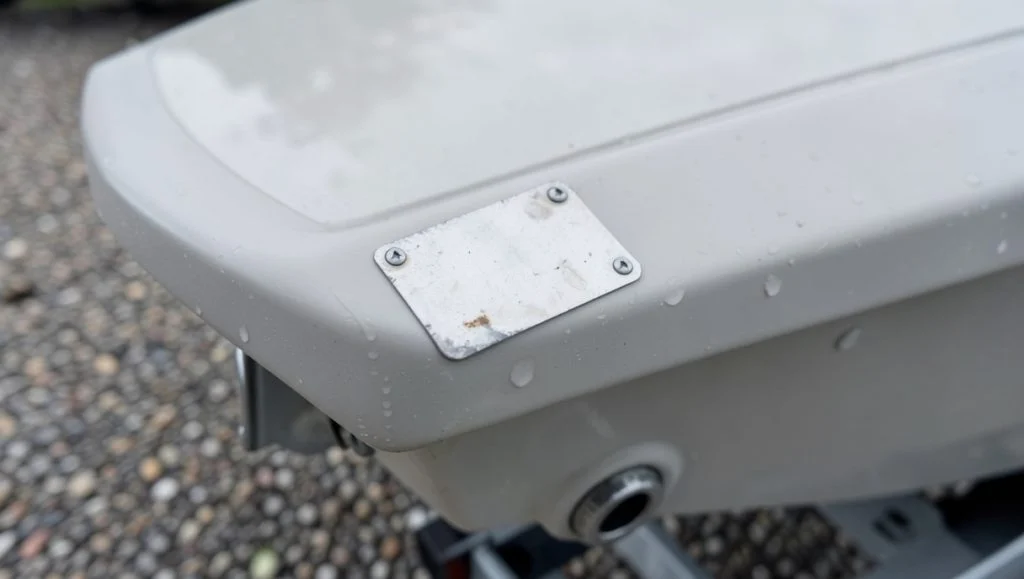
- Check the hull ID number and warranty status. Match the hull ID on the transom to the title and registration. Ask Ranger or a dealer whether any hull warranty remains.
- Check engine hours and service records. Ask for receipts. Have a marine mechanic run a compression test and read the engine’s stored codes.
What Does the Ranger Warranty Cover?
Ranger’s fiberglass warranty covers the hull structure for as long as the original owner keeps the boat. That includes the molded hull shell, stringers, floorboards, transom and structural reinforcements below the gunwale.
Most interior and component parts on fiberglass boats are covered for 3 years. That includes deck hardware, steering, bilge pump, electrical system, fuel tanks, seat pedestals, aeration pumps and factory-installed battery chargers.
Reata pontoons get 10-year bow-to-stern coverage on factory-installed components. They also get a limited lifetime warranty on the pontoon logs, motor pod and other structural parts.
Engines are covered by the engine maker, not Ranger. Ranger’s terms have also changed over time. For example, a 2018 Ranger aluminum warranty covered structural hull parts for five years. Always read the warranty document for your exact model year, and check Ranger’s warranty page for current aluminum terms.
| Boat line | Structural coverage | Components | Second owner |
|---|---|---|---|
| Fiberglass (current) | As long as the original owner keeps the boat | 3 years on most interior and component parts | 10 years, requested through Ranger’s warranty team |
| Reata pontoons (current) | Limited lifetime on logs, motor pod and structure | 10 years bow to stern on factory-installed parts | Check the warranty document |
| Aluminum | Varies by year (2018: 5 years) | Check the warranty document | Check the warranty document |
| Outboard engine | Covered by the engine maker, not Ranger | ||
Is the Ranger Boat Warranty Transferable to a Second Owner?
Yes, for fiberglass boats, but the second owner gets less. A second owner gets a 10-year warranty instead of ownership-length coverage. The transfer must be requested through Ranger’s warranty team, and claims go through a local dealer. If the transfer was never requested, don’t assume coverage exists.
Should You Buy a New or Used Ranger Boat?
Buy new if you want the full original-owner warranty. Buy used if you want Ranger quality for less money and can accept shorter, transferred coverage. Use these decision rules:
- Buy new if you plan to keep the boat a long time. Ownership-length hull coverage pays off the longer you own it.
- Buy used if price matters most and the boat passes a full inspection.
- Skip a used boat if the seller can’t show the hull ID matches the title, or won’t let a mechanic inspect it.
Do Ranger Boats Hold Their Value?
Ranger boats are widely seen as holding their value well, thanks to brand demand and build quality. That helps when you sell. It also means used Rangers cost more than used boats from value brands, so the savings over new may be smaller than you expect. Compare several local listings for the same model and year before you make an offer.
Check the Hull ID Before You Pay
Before any money changes hands, give the hull ID number to Ranger’s warranty team or a Ranger dealer. Ask whether any warranty remains and what steps are needed to transfer it. Do this before signing, not after.
Is a Ranger Boat Worth the Higher Price?
A Ranger is worth the money if you fish often and plan to keep the boat for years. You pay more up front for build quality, finish, dealer support, resale value and a strong hull warranty. If you fish a few times a season, a value brand will cover your needs for less.
| Pros | Cons |
|---|---|
| Ownership-length hull warranty for original fiberglass owners | Higher purchase price than value brands |
| Repeat NMMA CSI awards across several categories | Used boats also cost more because demand is high |
| Long track record since 1968 | Second owners get shorter (10-year) hull coverage |
| Strong resale demand | Engine is warrantied separately by the engine maker |
| Wide range: bass, multi-species, bay, aluminum, pontoon | Warranty terms vary by model year, so older boats need checking |
Is Ranger Better Than Triton or Nitro?
No public data proves one of these brands is more reliable than the others. Compare them on things you can check:
- Read each brand’s warranty document side by side, especially what second owners get.
- Look up each brand’s recent NMMA CSI awards and categories.
- Find the nearest dealer for each brand. Service access matters more than a logo.
- Water-test the specific models you are considering.
- Compare the price of the same size boat with similar engine and electronics.
Verdict by Buyer Type
- Tournament angler: A strong choice. A new Ranger fiberglass bass boat gives you ownership-length hull coverage and good resale when you upgrade.
- Weekend family angler: Consider a Reata pontoon or a Ranger aluminum boat. A carefully inspected used fiberglass Ranger is also a good fit if you want speed.
- Budget buyer: Look at value brands or older used boats first. Ranger’s prices, new and used, are hard to justify if you only fish occasionally.
Ranger Boats FAQ
Does the Ranger warranty cover the outboard engine?
No. The engine maker covers the outboard, not Ranger. Ranger’s warranty covers the hull and factory-installed boat parts. Many owner complaints about Ranger boats are really engine problems. Check which warranty applies before you file a claim. If you are buying used, ask for the engine’s service records.
How long are parts on a Ranger fiberglass boat covered?
Most interior and component parts on Ranger fiberglass boats are covered for 3 years. That includes deck hardware, steering, the bilge pump, the electrical system, fuel tanks, seat pedestals, aeration pumps and factory-installed battery chargers. The hull structure has separate coverage that lasts as long as the original owner keeps the boat.
Does Ranger make saltwater boats?
Yes. Ranger builds fiberglass bay boats for coastal and inshore saltwater fishing. They sit alongside its freshwater bass boats, multi-species boats, all-welded aluminum boats and Reata pontoons. Models and specs change each year, so check Ranger’s current model pages before you choose a bay boat.
Are Ranger aluminum boats welded or riveted?
Ranger’s aluminum boats are all-welded, not riveted. They are lighter and usually cost less than Ranger’s fiberglass models. They suit anglers who launch on rough ramps, fish rivers or rocky lakes, or want a boat that is easier to tow. Aluminum warranty terms vary by model year, so read the document for yours.
Who invented the modern bass boat?
Forrest L. Wood is widely credited with developing the modern bass boat. He and his wife Nina founded Ranger Boats in Flippin, Arkansas, in 1968. Ranger built six boats in its first year and had sold 1,200 by 1970. Wood sold the company in 1987, and it joined Bass Pro Group in 2014.

Leave a Reply