Quick answer: Lowe boats can be a good choice if you want a value-focused aluminum boat for fishing or hunting. Owner feedback is generally positive, but some report issues with fenders, bow lights and livewells. Confirm the warranty, floor construction and hull condition on the exact model before you buy.
How fast is a Lowe boat? How well does it handle big waves and salt water? What is the quality of the materials? Is it worth your money? This guide answers those questions and shows you what to check before you buy.
Lowe’s main appeal is value. The trade-off is that some owners question the quality of certain parts, and aluminum thickness has also been debated.
Lowe is often compared with Lund, a higher-priced aluminum fishing boat brand. Lund’s higher price buys some features Lowe may not offer, so compare the two model by model.
How Good Are Lowe Boats?
Lowe boats are a solid option for buyers who put value first, but quality varies by model, year and care. The brand’s range has included aluminum fishing boats, pontoon boats, small fishing boats, and jon and hunting boats.
Many owner reviews are positive. Some owners describe their boats as dry riding and durable in rough conditions. Treat those reviews as useful opinions, not as test results.
Lowe model names you may see while shopping include the 1648M, the Stinger 198 and the Roughneck 1860CC. Check that a model is still offered, then confirm its length, horsepower rating and capacity limits with Lowe or a dealer. Lineups and specs can change by model year.
Who Should Buy a Lowe Boat?
A Lowe makes the most sense if price matters and you are willing to inspect the details. Use these rules to decide.
A Lowe may suit you if:
- You want an aluminum boat for fishing or hunting at a lower price than premium brands.
- You can accept some compromise in fittings and trim.
- You have a dealer nearby for parts and warranty work.
- You will keep up with basic maintenance and storage.
Look elsewhere if:
- You want premium fit and finish and will pay more for it.
- You plan to keep the boat in salt water and cannot get written approval for that use.
- You insist on an all-welded boat and the seller cannot confirm how that model is built.
- You are restoring an older boat and need every console or graphic to match.
How Reliable Are Lowe Boats?
Lowe’s reliability looks good in many owner reviews, but smaller parts are the weak spot. No sourced reliability data is available to rank Lowe against other brands, so inspect each boat on its own merits.
Lowes are lower-priced boats, and some parts reflect that. Owners have reported fenders falling off and problems with bow lights.
Some buyers also worry about plywood decking and carpeting, especially around salt water. Those concerns are worth checking on the specific boat, as the sections below explain.
Corrosion is the other reliability risk. Faults in a boat’s DC system can cause stray-current corrosion, and aluminum is highly anodic. Galvanic corrosion is a separate, passive process between dissimilar metals. Have electrical faults fixed quickly, and disconnect the batteries and store them in a cool, dry place for winter.
Can You Use a Lowe Aluminum Boat in Salt Water?
You may be able to, but get confirmation for your exact model first. Ask Lowe or a dealer whether the boat is approved for salt water and whether saltwater use affects the warranty. Regular saltwater use also calls for more upkeep than a quick rinse.
Rinsing with fresh water is only the first step. Paint alone does not remove the need for the rest of this routine:
- Rinse the boat. Use fresh water after every saltwater trip.
- Flush the outboard. Most outboards have a flush port. Discover Boating suggests running water for 10 to 15 minutes.
- Check the anodes. Replace sacrificial anodes when they are about halfway gone.
- Maintain protective coatings. Touch up or renew them as needed.
- Inspect the boat regularly. Look closely at the paint, fittings and wiring.
- Store batteries properly. For winter, disconnect them and keep them in a cool, dry place.
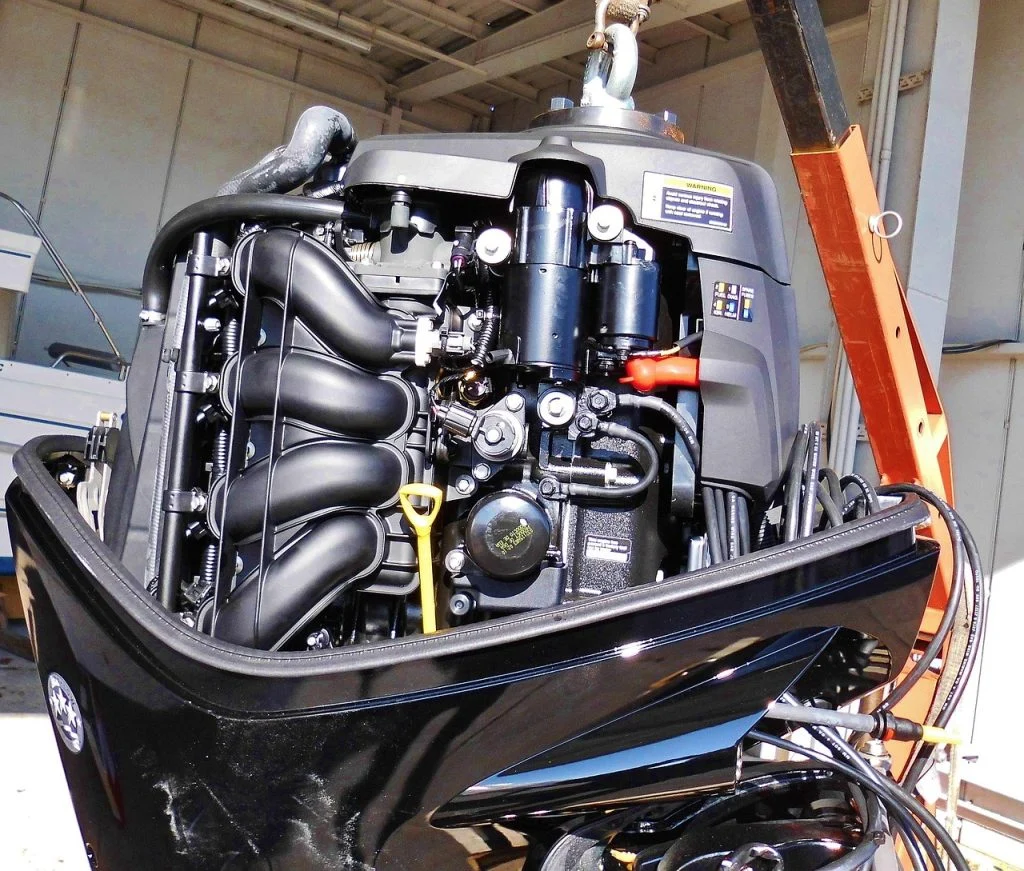
Watch how fast the anodes wear. Discover Boating says anodes that disappear quickly may point to stray current, so have the electrical system checked if you see that.
How Durable Are Lowe Boats?
A well-kept Lowe can be durable, but its limits depend on the hull type, load and conditions. No verified wave rating applies across the brand, so do not plan a trip around a single wave height.
Hull shape is a useful guide. Flat-bottom jon boats suit calm, shallow water. V-shaped hulls generally handle chop better. In any small boat, check the forecast and stay within the limits on the capacity plate.
Flotation and certification also vary, so check them for the exact boat. Ask what type of flotation it has and whether that model and year carries NMMA certification. A dealer should be able to show you this information in writing.
Are Lowe Boats Welded or Riveted?
Assume nothing, because construction can differ by model and year. Owner complaints mention both riveted floors and cracks at welded seams, so ask how the hull, ribs and floor are joined on the boat you want.
- Welded areas: There are no rivets to loosen, but check for cracks along the seams.
- Riveted areas: Check for loose, missing or weeping rivets.
- Either type: Condition matters more than the label on a used boat.
Do Lowe Boats Have Wood in the Floor?
Some may, so do not assume a Lowe is wood-free. Plywood decking and carpet are common concerns among Lowe shoppers. Ask what the deck and transom are made of on that exact model and year.
To check for rot, walk the whole floor and feel for soft or springy spots. Look under hatches and around seat bases. Lift loose carpet where you can, and treat dark stains or a musty smell as warning signs.
How Fast Is a Lowe Boat?
There is no single top speed for Lowe boats. Speed depends on the hull, engine, propeller, load and water conditions, and no verified figures by model are available here.
The best check is a water test of the exact boat and engine setup, loaded the way you plan to use it. Make sure the engine does not exceed the horsepower limit on the capacity plate.
What Are Typical Problems with Lowe Boats?
Commonly mentioned problems involve engine RPM, livewells, pumps, welded seams and riveted floors. Not every boat will have them, but each one is easy to check.
- Low RPM at wide-open throttle: This has been mentioned on the Stinger 175. A propeller with too much pitch is one possible cause. Compare your RPM with the range in the engine manual, and have a mechanic rule out other causes.
- Livewell leaks: Water can also overflow in the livewell. Fill and run it during your inspection.
- Failed pumps: Electrical or plumbing issues can be the cause.
- Cracks at welded seams: Check where the sides and bottom are welded together.
- Riveted floors: Some owners simply dislike them, so look at the floor before you commit.
What Is the Warranty on a Lowe Boat?
Get the current warranty in writing, because a reliable length could not be confirmed for this guide. Terms can differ by model year and component, and older figures found online may not apply.
Ask these questions before you sign:
- How long are the hull, deck, transom, paint and components each covered?
- Does the coverage transfer to a second owner?
- Does saltwater use limit or void any coverage?
- Is the engine covered separately by its own maker?
How Long Do Lowe Boats Last Compared to Similar Brands?
A common rule of thumb is that a typical boat lasts 10 to 20 years, and some last longer. Maintenance plays a big part. No verified data shows that a Lowe outlasts a Lund or the reverse.
Lowe and Lund are both popular names in aluminum fishing boats. Lowe is the more affordable option but can lack some of the features Lund offers. Lund’s higher quality reputation is reflected in its prices.
Compare the two brands’ written warranties for the model years you are considering. For a used boat, the care it received will tell you more than the badge.
Is Lowe or Tracker Better?
Neither brand wins in every case. The better boat is the one that offers the right hull, floor, warranty and dealer support for your budget. Use the same checks for Crestliner, Alumacraft and other direct competitors.
| Compare | What to ask | Why it matters |
|---|---|---|
| Hull | What are the length, shape and joining method? | These affect ride, use and long-term repairs. |
| Floor and transom | What materials are used? | Wood needs checking for rot. |
| Capacity | What are the horsepower and load limits? | The boat must fit your engine and crew. |
| Warranty | What is covered, for how long, and does it transfer? | Coverage can affect ownership cost and resale. |
| Dealer | Who handles service and parts near you? | A good deal loses value if service is far away. |
| Total price | What is the out-the-door price with engine, trailer and fees? | Advertised prices may not be comparable. |
Do Lowe Boats Hold Their Value?
Some used Lowes may hold their value well, but no sourced resale data is available by model and year. Treat any flat depreciation formula with caution, because engine, condition and local demand can move the price.
Get pricing from current sources. For a new boat, request written out-the-door quotes from dealers. For a used boat, compare several listings with the same model, length, engine and trailer, then adjust for condition and engine hours.
What About Older Lowe Boats?
Older Lowe boats can be harder to find online, and the second-hand market may not be as cheap as you’d assume. Expect to spend some time searching.
Lowe’s history is commonly traced to Missouri in the early 1970s, with aluminum canoes and jon boats among its first products. Carl and Dianna Lowe are often named as the founders, though a primary source could not be confirmed.
Do They Still Make Parts for Older Models?
Parts for older Lowe models may take more effort to find. Start with a Lowe dealer and have the model, year and hull identification number ready. Ask whether the part can still be ordered or whether a compatible replacement exists.
Note that not all parts are interchangeable from year to year. Matching consoles, furniture and graphics may be difficult.
How Do You Check a Used Lowe Boat Before Buying?
Inspect the hull, floor and systems in person, then water test the boat. Use this checklist:
- Paint: Blistering paint on an aluminum hull is a red flag for corrosion underneath.
- Welds: Look for cracks, especially where the sides meet the bottom.
- Rivets: Look for loose or missing rivets and signs of weeping.
- Transom: Check for cracks, corrosion and movement around the engine mount.
- Floor: Feel for soft spots and check under the carpet where possible.
- Livewell: Fill it, run the pump and look for leaks or overflow.
- Wiring: Look for corroded terminals, messy repairs and failed lights.
- Anodes: Rapid wear may point to stray current.
- Capacity plate: Confirm the engine is within the rated horsepower.
- Hull ID: Write down the hull identification number and ask a Lowe dealer whether any recalls apply.
- Water test: Check the wide-open-throttle RPM against the engine manual.
Are Lowe Boats Still Being Made?
To confirm that a model is still in production, check Lowe’s website or ask an authorized dealer for the current model year. Older listings and articles may describe boats that are no longer offered.
Who Makes Lowe Boats and Where Are They Made?
Lowe is widely reported to be owned by Brunswick Corporation, with boats built in Lebanon, Missouri. These details could not be independently confirmed for this guide, and ownership or plant locations can change. A dealer can confirm where a specific boat was built.
Final Thoughts
Overall, a Lowe can be a sensible choice for buyers on a budget who want an aluminum boat for fishing or hunting.
Just buy the specific boat, not the brand’s reputation. Get the warranty in writing, confirm how the floor and hull are built, and inspect any used boat closely. If it passes those checks and fits your budget, it is worth a serious look.
Related Posts:
- Crest Pontoon Boat Reviews: Are They Good And Reliable?
- Tidewater Boats Reviews: Are They Good and Reliable?
- Maxum Boat Reviews: Are They Good And Reliable?
- Blackfin Boat Reviews: Are They Good and Reliable?
- Pursuit Boats Reviews: Are They Good and Reliable?
Frequently Asked Questions About Lowe Boats
Are Lowe boats cheaper than Lund boats?
Yes, Lowe is generally the more affordable of the two aluminum fishing boat brands. Lund’s higher price buys some features Lowe may not offer, and Lund has a stronger quality reputation. Compare specific models, written warranties and out-the-door quotes, because the better value depends on the exact boat you are considering.
What causes low RPM on a Lowe boat at full throttle?
A propeller with too much pitch is one possible cause of low RPM at wide-open throttle. Owners have mentioned this issue on the Lowe Stinger 175. Compare your RPM with the range in the engine manual, then have a mechanic rule out other causes before you replace the propeller.
What does blistering paint on an aluminum boat mean?
Blistering paint on an aluminum hull is a red flag for corrosion underneath. Look closely at the paint along the seams when you inspect a used boat. Treat blisters as a reason to slow down, and have the hull’s condition checked before you buy, especially if the boat has seen salt water.
What does it mean if boat anodes wear out quickly?
Anodes that disappear quickly may point to stray current, according to Discover Boating. Have the boat’s electrical system checked if you see this, because DC faults can cause stray-current corrosion and aluminum is highly anodic. Replace sacrificial anodes when they are about halfway gone, and have electrical faults fixed quickly.
Is a flat-bottom or V-hull Lowe better for rough water?
A V-shaped hull generally handles chop better than a flat-bottom hull. Flat-bottom jon boats suit calm, shallow water. No verified wave rating applies across the Lowe brand, so check the forecast, stay within the limits on the capacity plate, and do not plan a trip around a single wave height.