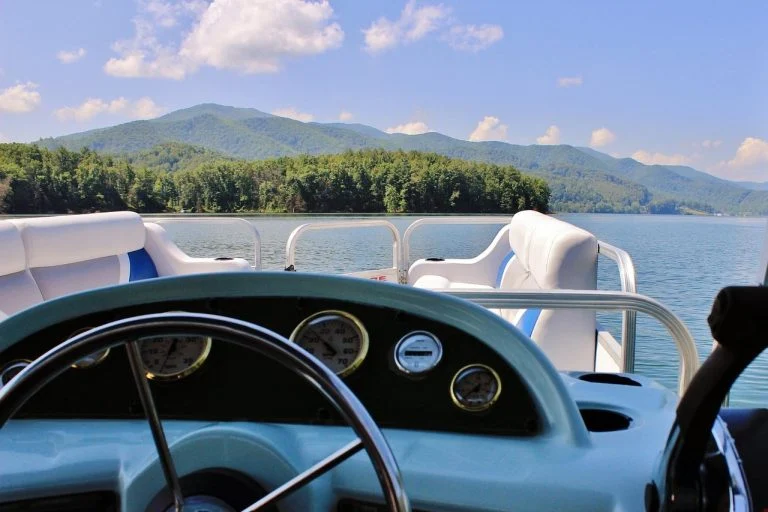
Quick answer: Hurricane deck boats can be a good choice for family cruising, watersports, and calm-water fishing, with durability best described as mid-tier. They suit protected waters more than offshore use. Reliability depends heavily on the exact boat’s care and history, so get a written warranty and inspect any used boat before buying.
Riding in a deck boat is a lot of fun because these boats are so adaptable. Before you buy one, check how the exact boat is powered and the maximum horsepower it is rated for. Do not assume that any motor will fit.
This guide covers what to expect from a Hurricane deck boat, what to inspect, and who should or should not buy one.
Are Hurricane Deck Boats Good Quality?
Hurricane deck boats are a reasonable choice if you want a versatile family boat and accept mid-tier construction. Condition matters more than the badge, especially on a used boat.
Hurricane has advertised its boats’ design as suitable for a variety of activities such as fishing, skiing, and cruising.
That mix makes this type of boat a good fit for a day out with the family. It also works well for island hopping and cruising the coast on a calm, sunny day.
Layout, hull design, and equipment vary by model and year. Compare the spec sheet for the exact boat rather than relying on the series name.
Who Makes Hurricane Deck Boats?
Hurricane was part of Boat Holdings, which also owned the Bennington, Godfrey, and Rinker brands. In May 2018, Polaris agreed to buy Boat Holdings in an all-cash deal valued at about $805 million.
Ownership can change, so confirm the current owner with an authorized dealer. If you are buying an older boat, ask who handles warranty claims and parts requests for that model year.
Where Are Hurricane Deck Boats Made?
Hurricane has built boats in Syracuse, Indiana. In April 2021, the company said it had started production at 300 West Chicago Street in Syracuse. The site includes a 120,000-square-foot production plant and 20,000 square feet of shipping and warehousing space.
Current output at that site could not be confirmed. If the build location matters to you, ask the dealer where the specific boat was made.
How Reliable Are Hurricane Deck Boats?
Expect reliability in line with other mainstream recreational boats, with the engine, wiring, and past care making most of the difference. No independent, brand-wide reliability data was available for this article.
Deck boats offer many of the best things about boating with your family: open seating, room to move, and easy access to the water. Many deck boats also suit shallower areas, but check the draft and engine setup for the exact model before you count on that.
How Durable Are Hurricane Deck Boats?
These boats have the durability of a mid-tier manufacturer, so be prepared for that. They are built for recreational use, and regular maintenance will affect how well one holds up.
Quality control errors can happen on any production boat. Test every switch, gauge, and pump before you accept delivery, and put any faults in writing.
Do Hurricane Boats Have Plywood or Composite Transoms?
Do not assume either one. A verified list of which model years used plywood or composite was not available, so ask the dealer or manufacturer about the exact boat and hull number.
The answer matters most on older boats. Wet wood inside a transom can weaken the area that carries the engine’s load, and repairs can be costly.
What Is the Warranty on a Hurricane Deck Boat?
Warranty terms could not be verified for current models, and they can differ by model year and region. Ask for the complete written warranty before you sign, and do not rely on a sales summary.
Get clear answers to these questions:
- How long are the hull, deck, and structural parts covered?
- How long are upholstery, gelcoat, electrical parts, and other components covered?
- Does coverage transfer to a second owner? If so, is there a fee or deadline?
- What is excluded, such as cosmetic cracks, corrosion, commercial use, or rental use?
- Is the engine covered separately by its manufacturer?
- Who pays for labor, transport, and haul-out during a claim?
What About Older Hurricane Deck Boats?
An older Hurricane can still be a sensible buy if it has been stored well and passes a thorough inspection. Age alone tells you less than the boat’s service records and structural condition.
Older boats can be obtained from their owners, dealers, and brokers. Ask each seller for maintenance records, the hull identification number (HIN), and details of any repairs.
Do They Still Make Parts For Older Models?
Parts availability varies by boat and age, so confirm it before you buy an older model. Hard-to-replace items such as custom trim, windshields, and hatches deserve the closest check.
Start with a local Hurricane dealer and have the HIN and model year ready. Marine salvage yards, owner groups, and general marine suppliers can help with parts a dealer cannot find.
If a broken part would keep the boat off the water, find a replacement or a workable substitute before you commit.
What Are Typical Problems With Hurricane Deck Boats?
No verified data shows how often specific problems affect Hurricane boats. Treat the areas below as inspection points, since they can affect many production boats.
- Stainless steel corrosion: Stainless steel comes in a variety of formulations, and it can still show rust or staining. Look closely at rails, fasteners, and hinges.
- Dashboard cracks: Check around screws and panel edges. Cosmetic damage may be excluded from a warranty, so read the terms.
- Hull cracks: Surface crazing and structural cracks are very different problems. Have a marine surveyor assess any crack near the transom, keel, or hull-to-deck joint.
- Instrument panel wiring: Test each gauge and switch. Look for loose connections, green corrosion, and amateur repairs.
What Should You Check on a Used Hurricane Deck Boat?
Check the structure first, then the systems, then the engine. On any boat you are serious about, pay for an independent marine survey and a separate engine check.
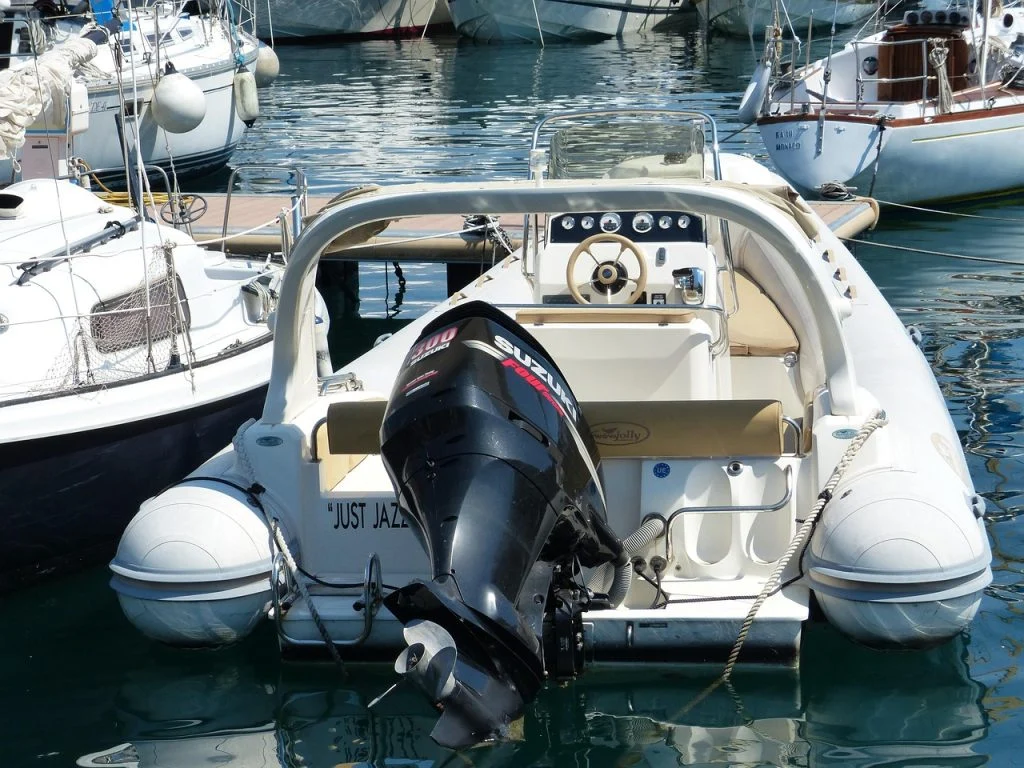
- Transom: Look for cracks around the engine mounts. Watch for flexing when the engine is pushed or trimmed under load.
- Stringers: Inspect what you can reach through hatches. Look for dark staining, soft areas, or broken bonds.
- Floor: Walk the entire deck slowly. Note any soft spots, movement, or hollow-sounding areas.
- Hull: Examine the bottom on a trailer. Look for cracks, deep scrapes, blisters, and uneven repair work.
- Wiring: Operate all lights, pumps, gauges, and stereo equipment. Check for corrosion and messy splices.
- Metal parts: Check fasteners, rails, and fittings for corrosion, especially on boats used in salt water.
- Engine: Ask for service records and engine hours. Have a mechanic run a compression test and any available diagnostics.
- Sea trial: Run the boat at several speeds. Watch for vibration, overheating alarms, poor steering, or water coming aboard.
- Paperwork: Match the HIN to the title or registration. Ask a dealer whether any recalls are open.
How Long Do Hurricane Deck Boats Last Compared To Similar Brands?
No verified lifespan data compares Hurricane with similar brands. A practical expectation is that a Hurricane should be judged like other mid-tier boats, with care, storage, and usage driving how long it lasts.
Rental service depletes any boat quickly. Renters are known to slam boats about and put a lot of wear and tear on the engines.
Those harsh years of service shorten a boat’s lifespan, whichever brand is on the hull.
How Do You Assess a Former Rental Boat?
Assume hard use until the records prove otherwise. A former rental boat should cost less than a similar privately owned boat and should always get an independent survey.
- Ask for the complete service log, including oil changes and repairs.
- Look for repeated propeller, skeg, and lower-unit damage.
- Check the hull sides and bow for dock impacts and patched gelcoat.
- Inspect seats, latches, rails, and ladders for looseness or heavy wear.
- Confirm whether commercial or rental use affects any remaining warranty.
Do Hurricane Deck Boats Hold Their Value?
Expect normal boat depreciation, but do not rely on a single percentage. Verified model-by-model resale data was not available, and the value of a used boat depends on its year, engine, hours, condition, and location.
To estimate value, compare several recent listings for the same model, length, and engine. Then check a current marine valuation guide. Asking prices are often higher than final sale prices, so ask a dealer or broker what similar boats actually sold for.
You can work out depreciation with a simple formula: subtract the used price from the original price, divide by the original price, then multiply by 100.
How Much Does a New Hurricane Deck Boat Cost?
Verified current prices by series and length were not available. The most reliable figure is a written, out-the-door quote from an authorized dealer for the exact boat and engine you want.
Make sure each quote lists these items separately:
- Base boat and engine
- Options and packages
- Trailer
- Freight and dealer prep
- Taxes, registration, and documentation fees
What Does It Cost to Own a Deck Boat?
The purchase price is only the start. Get local quotes for each recurring cost before you decide what you can afford.
| Cost | What affects it | How to get a real number |
|---|---|---|
| Insurance | Boat value, operator history, location, and use | Request a quote using the HIN or exact model |
| Storage | Slip, dry stack, trailer, or home storage | Call local marinas and storage yards |
| Maintenance | Engine type, hours, and fresh or salt water use | Ask a marine shop for its annual service list and rates |
| Fuel | Engine, load, speed, and distance | Review engine fuel-use data and your typical trips |
| Winterization | Climate, engine type, and onboard systems | Get a written price from a local shop |
What Is the Difference Between a Hurricane SunDeck and a FunDeck?
SunDeck and FunDeck are both Hurricane deck boat names, but their current differences could not be verified. Compare the manufacturer’s spec sheets for the exact years and lengths you are considering.
Line up these details side by side:
- Length and beam
- Passenger capacity
- Dry weight
- Fuel capacity
- Maximum horsepower
- Engine type, either outboard or inboard/outboard
- Seating layout and standard equipment
How Should You Compare Hurricane With Other Deck Boat Brands?
Compare the same length, engine power, and equipment level across brands. A lower price can disappear once you match the options, trailer, and warranty.
| Factor | What to compare | Warning sign |
|---|---|---|
| Price | Out-the-door quote with matching equipment | A quote that leaves out freight, prep, or trailer costs |
| Build | Transom, stringer, and floor materials | A seller who cannot explain the construction |
| Warranty | Length, exclusions, and transfer terms | Promises that are missing from the written terms |
| Resale | Recent sale prices for the same year and engine | Value estimates based on a single listing |
| Support | Distance to a dealer and service department | No nearby shop that will work on the boat |
Can You Take a Deck Boat in Rough Water or Offshore?
Deck boats are best kept to lakes, bays, rivers, and other protected water. They are generally a poor choice for offshore trips or rough conditions.
The wide, open bow that creates so much seating can also take on spray or water in steep chop. A loaded boat has less margin, so check the forecast, watch for changing wind, and head in early. If your plans regularly include open-water runs, look at a boat designed for those conditions.
What Safety Details Should You Check?
Start with the capacity plate, then confirm the boat’s certification and safety gear. Never go above the limits shown for the boat.
- Capacity plate: Look for the maximum number of people, total weight, and engine horsepower. Be cautious if the plate is missing or looks altered.
- Certification: Ask whether the exact model and year has NMMA certification, and request proof.
- Engine size: Confirm that the installed engine is within the boat’s rating.
- Safety equipment: Check life jackets, fire extinguishers, and other gear against federal and state rules where you boat.
Are Hurricane Deck Boats Still Being Made?
The latest verified production detail is the April 2021 start of production in Syracuse, Indiana. Current production and the model lineup could not be confirmed, so check with an authorized dealer for the latest models.
Ask the dealer for the current spec sheet and price list. Check whether any boat on the lot is a current model or leftover inventory, since that can affect both the price and the warranty start date.
Who Should Buy a Hurricane Deck Boat?
Buy one if you want a flexible family boat for protected water and have a dealer or qualified shop nearby. Skip it if you need a boat for frequent rough-water or offshore trips.
| A Hurricane may fit if you… | Look elsewhere if you… |
|---|---|
| Boat mostly on lakes, rivers, or calm bays | Regularly cross open water |
| Want seating space for family and guests | Want a dedicated fishing layout |
| Accept mid-tier fit and finish | Expect premium construction throughout |
| Can get service and parts help locally | Have no nearby dealer or marine shop |
| Will pay for a survey on a used boat | Want to buy a used boat without an inspection |
Final Thoughts
Hurricane is worth a look if you want a versatile deck boat for calm-water family use.
Your best protection is the paperwork and the inspection. Get the warranty in writing, compare full quotes, and have any used boat surveyed.
If you’re looking for a deck boat, make sure to check them out. If you live in a rental region, rent one for the afternoon to see how you like the ride and how the boat holds up to rough, persistent use.
Related Posts:
- Crestliner Boats Review: Are They Good and Reliable?
- Crest Pontoon Boat Reviews: Are They Good And Reliable?
- Lowe Boats Reviews: Are They Good And Reliable?
- Tidewater Boats Reviews: Are They Good and Reliable?
- Maxum Boat Reviews: Are They Good And Reliable?
Frequently Asked Questions About Hurricane Deck Boats
Are Hurricane deck boats good for fishing?
Hurricane deck boats can work for casual, calm-water fishing, and the brand has advertised its designs for fishing, skiing, and cruising. They are a flexible family boat rather than a dedicated fishing platform. If fishing is your main use and you want a dedicated layout, look at a boat built around that purpose.
Can a Hurricane deck boat run in shallow water?
Possibly, but check the exact model first. Many deck boats suit shallower areas, yet draft and engine setup vary by boat. Look up the draft on the spec sheet for that model and year, and confirm how the engine setup affects it before you count on reaching shallow spots.
Can you put any motor on a Hurricane deck boat?
No, do not assume any motor will fit. Check how the exact boat is powered and the maximum horsepower on its capacity plate. The installed engine must stay within the boat’s rating. Be cautious if the plate is missing or looks altered, and never go above the limits it shows.
Do you need a marine survey before buying a used Hurricane deck boat?
Yes, pay for an independent marine survey on any used Hurricane you are serious about, plus a separate engine check. A surveyor can assess the transom, stringers, floor, and hull cracks, while a mechanic can run a compression test and any available diagnostics. Condition matters more than the badge on a used boat.
Should you rent a Hurricane deck boat before buying one?
Yes, renting first is a useful test if rentals are available in your area. An afternoon on the water shows how you like the ride and how the boat holds up to hard, repeated use. It does not replace a written warranty review, full price quotes, or a survey on a used boat.